BMS System: The Evolution Towards a Smart Building
June 17, 2022

BMS System: The Evolution Towards a Smart Building
June 17, 2022
BMS System: The Evolution Towards a Smart Building
June 17, 2022
With the continued growth of the population in urban areas, optimizing energy consumption is becoming an unavoidable piece of the puzzle for a green future. For example, the building stock in Spain consumes a high percentage of energy, with most of this consumption going to the electromechanical installations of buildings.
Therefore, and in line with the European targets set for reducing energy and greenhouse gas emissions by 2030, it is essential to reduce energy use in buildings and to ensure that this energy is decarbonized.
In this scenario, smart buildings are the option to meet this challenge. New constructions are being built around this sustainable mindset, but how can an existing property without these features evolve into a Smart Building?
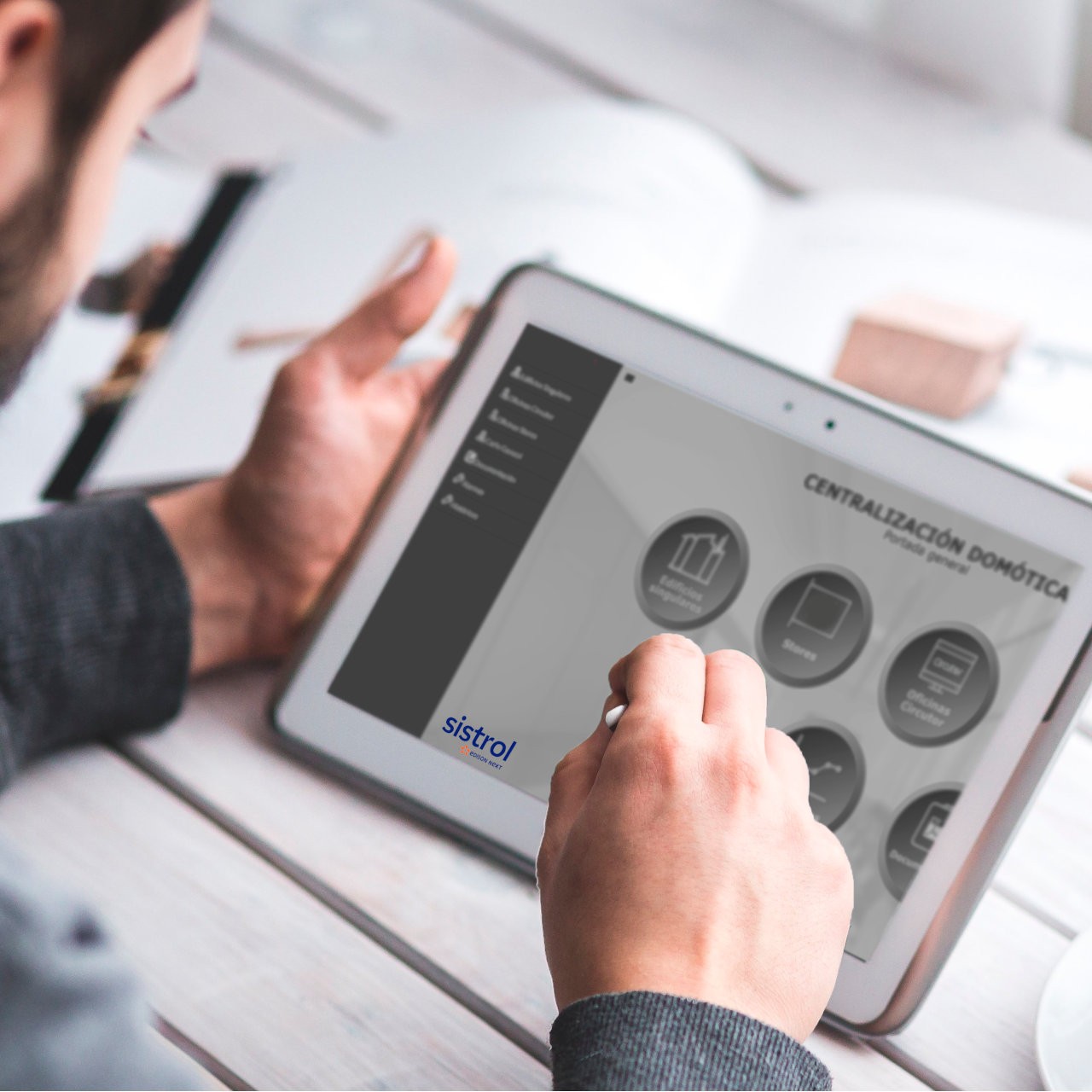
Through a relatively small investment, it is possible to upgrade an existing property by incorporating a BMS system to turn it into a smart building. This building automation takes a sustainable approach, as implementing the programming of lighting, air conditioning, or security systems makes more efficient use of the different resources.
What is a BMS?
It is a building management system, consisting of a software and hardware part that provides comprehensive automation of the building's electromechanical installations, as well as its auxiliary systems.
Why use a BMS?
- Building management systems (BMS) evolve properties towards smart buildings, offering several advantages:
- Centralized control and supervision of all building installations: HVAC, lighting, fire protection, etc.
- Improved maintenance, due to rapid detection of incidents and increased staff productivity through task automation.
- Increased efficiency of installations, as information on their status and operation is very detailed.
- Digitalization of information management, because through a single digital platform tailored to the end user, real-time and historical information is available, facilitating decision-making.
- Economic benefit, as centralized administration requires fewer human resources and greater energy savings in electricity, water, and gas consumption.