Hybridization is becoming established in the renewable energy sector.
May 27, 2021

Hybridization is becoming established in the renewable energy sector.
May 27, 2021
Hybridization is becoming established in the renewable energy sector.
May 27, 2021
The energy sector continues to take steps towards decarbonizing the planet. Immersed in the energy transition process, it seeks to mitigate climate change and achieve a more efficient use of the resources that nature bestows upon its inhabitants. Among the available alternatives, hybridization stands out as the most efficient option.
With the implementation of the Kyoto Protocol, Spain began this transformation at the start of the 21st century. Subsequently, the enactment of various European strategies and guidelines has gradually led different countries to promote the use of renewable energy, thereby fostering the decarbonization of the planet.
Specifically, the Strategic Framework for Energy and Climate 2021-2030 in Spain has two fundamental pillars: the Climate Change and Energy Transition Act and the Integrated National Energy and Climate Plan (PNIEC). Both undeniably establish that the generation of renewable energy is the key to achieving the proposed decarbonization goals.
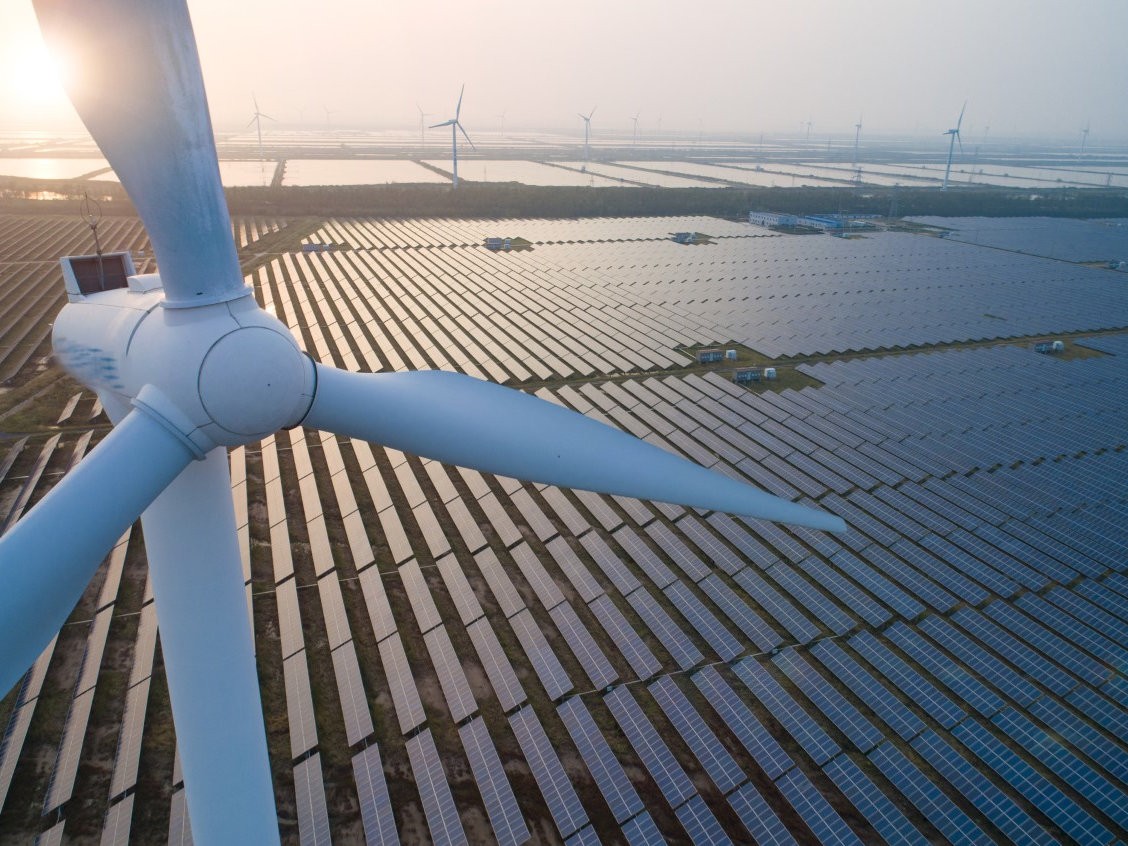
One of the driving forces behind achieving a supply of clean and efficient energy is the combination of renewables, commonly known as a hybrid generation system. This method produces electricity using two or more renewable sources, such as photovoltaic and wind power, with a common connection point.
We are referring to installations that may include storage systems, but this is not strictly necessary, because this hybrid approach generally prevents the accumulation of an amount of energy exceeding the system's evacuation capacity.
According to the Spanish Renewable Energy Association (APPA), there are multiple benefits associated with the hybridization of renewable energies, notably:
- Greater guarantee of available power at the connection point and the possibility of obtaining additional income through participation in adjustment markets and provision of grid services to the System Operator.
- Savings in CAPEX and OPEX, thanks to synergies between installation and operation. These savings are associated with equipment costs, grid connection infrastructure costs, or those related to "business development," among others.
- Reduction of environmental impact through better selection of sites occupied by evacuation points.
- Savings in the development of electrical infrastructure, leading to a reduction in the costs of the electrical system.
- Increase in the quality and stability of hourly and seasonal supply.
- Decrease in the risk of overloads and technical restrictions on the grid, due to the number of renewable installations connected across a large number of connection points.
- Reduction in the number of applications for access and connection points.