Smart City: economic, social and environmental sustainability
July 15, 2022

Smart City: economic, social and environmental sustainability
July 15, 2022
Smart City: economic, social and environmental sustainability
July 15, 2022
The world's population continues to grow, as does migration from rural areas to cities. In fact, currently 55% of the world's population lives in urban areas, and according to UN data, this percentage will rise to 70%.
In the coming decades, urban centers are expected to face a growing number of problems such as energy supply, CO2 emissions, traffic planning, the provision of goods and raw materials, or the delivery of healthcare and security services to all those residing in these enormous and overcrowded population centers, among others.
With this data on the table, large cities increasingly require more solutions that contribute to efficient and real management of resources, and that in turn provide value to citizens.
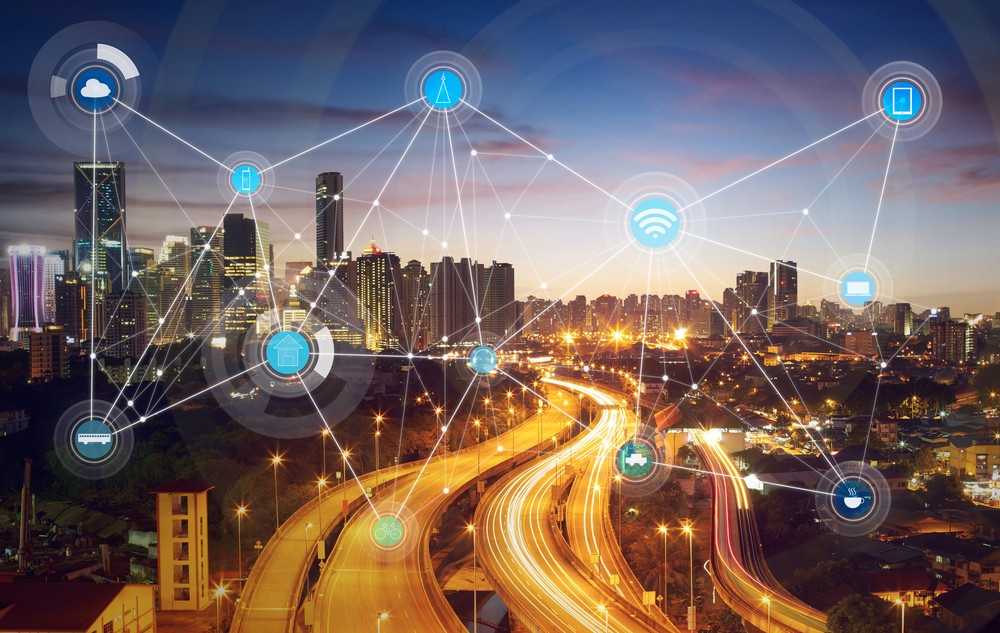
Under these premises, the so-called Smart City emerges. A term originally coined for a city that uses technology and innovation to improve the quality of life of its inhabitants with the idea of promoting sustainable and efficient development in all its areas, from mobility, governance, or the economy. Improving the natural or urban environment, facilitating everyday processes, reducing public spending, or offering real-time information are just some of the benefits a Smart City offers.
However, today the concept has evolved with the aim of considering a series of attributes from a holistic and comprehensive perspective. Thus, a smart city is an efficient, sustainable, resilient urban concentration with good quality of life standards for both its residents, in the first instance, and its visitors.
That is, a smart city provides solutions to the challenges of urbanization and improves the quality of life of city dwellers by ensuring that the ongoing urbanization trend is sustainable. Although the concept of Smart City is not static and will evolve with society, so in addition to all the above, smart cities must above all be resilient and adapt to present and future needs.
Efficient resource management must be reflected in electrical grids, gas and water distribution systems, waste management, public and private transport, and so on. A whole series of elements that make up the backbone of smart cities.
At this point, Smart Cities are born with the aim of creating economically, socially, and environmentally sustainable cities. Cities where information and communication technologies (ICT) are applied in order to provide them with the necessary infrastructure to guarantee harmony between the following aspects:
- Sustainable development.
- Increased quality of life for citizens.
- Greater efficiency of available resources.
- Active citizen participation.