The business sector, key in the challenge of the ecological transition towards Carbon Neutrality

The business sector, key in the challenge of the ecological transition towards Carbon Neutrality
The business sector, key in the challenge of the ecological transition towards Carbon Neutrality
To build a Carbon Neutral future, business activity must reduce its emissions as much as possible and offset those that cannot be avoided. That is why it is time for all organizations, aligned with European guidelines and policies, to act urgently in the face of the climate emergency shaking the planet.
With Law 7/2021 on Climate Change and Energy Transition and the PNIEC as a lever, Spain aims to increase the share of renewable energy in final energy use, as well as in electricity generation, to practically 100% by 2050. An energy revolution that requires a careful analysis of which renewable energy is the most mature and competitive to achieve this goal: Photovoltaic Self-Consumption or wind energy are currently at an optimal moment for implementation.
To carry out this ecological transition, companies must have a Global Energy Partner to accompany them throughout the process and help them face the challenge of decarbonization. At EDF Fenice, we have over 20 years of experience, during which we have launched multiple highly complex projects that have allowed numerous companies to achieve significant improvements in the energy consumption of their production facilities and become more competitive.
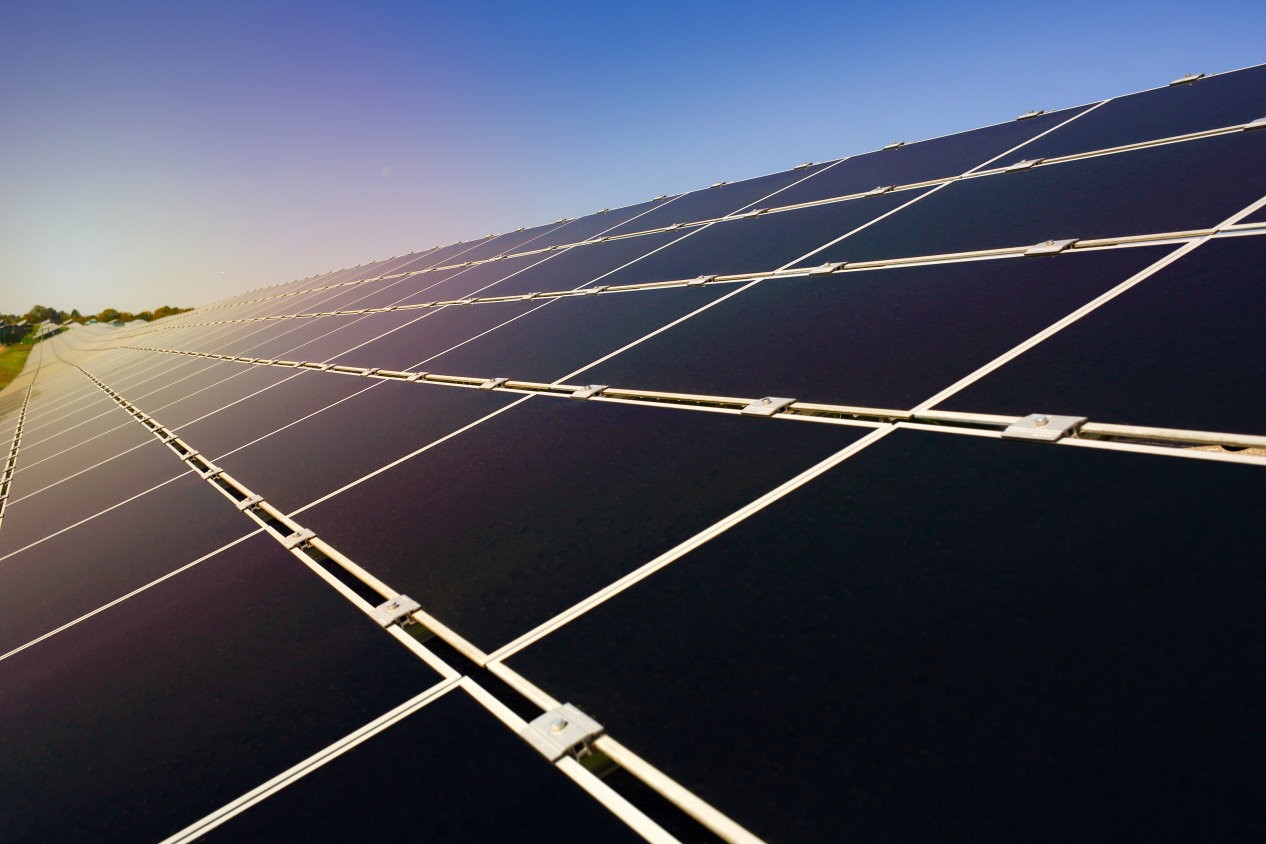
Our value proposition is based on technological neutrality as the main strategy to offer companies the most profitable energy solutions available at any given time. That is why we bet on Photovoltaic Self-Consumption as one of the most competitive renewable technologies in the process of reducing the CO2 footprint.
Taking advantage of the significant benefits provided by Photovoltaic Self-Consumption by generating electricity at the same place where it is consumed helps reduce the volume of energy purchased from the grid and lowers the cost of production processes, achieving substantial energy savings.
Ultimately, both digitalization and the most mature renewable technologies will allow companies to become more competitive. A delay in implementing this type of solution will mean a loss of opportunity for companies.