
Edison Next highlights the role of BMS systems in reducing energy expenditure in buildings by up to 25%
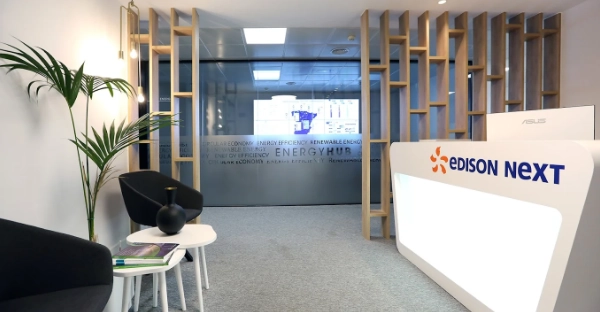
With the full recovery of activity in sectors such as hospitality, healthcare, retail and commercial, energy consumption is once again at the center of the debate on sustainability and efficiency. In this context, Edison Next, an energy and environmental solutions specialist and subsidiary of the EDISON group and French giant EDF, underlines the importance of having digital tools that enable intelligent consumption management — all with the aim of guaranteeing companies’ competitiveness and advancing towards decarbonization.
One such tool is the Building Management System (BMS), a system capable of monitoring and controlling key elements such as air conditioning, lighting, ventilation and technical equipment. According to European standards, BMS can achieve savings of up to 25% in energy consumption in high-demand buildings such as hospitals, hotels, data centers, offices and large retail spaces.
The energy impact of these sectors is considerable: hospitals consume around 6% of the total tertiary sector, hotels approximately 4% with very marked peaks during peak season, large retailers and shopping centers exceed 8%, and data centers can reach 1,000 MWh per year per installation.
An innovative energy management model
To address this challenge, Edison Next has created EdisonCare, a remote maintenance and monitoring service that replaces the traditional model of periodic visits with continuous, automated supervision. Based on IoT technology, it offers complete system coverage — from sensors and actuators to alarms and performance parameters — and is supported by a team of specialists who work alongside the technicians at each installation.
In addition to reducing consumption, EdisonCare improves the reliability and useful life of equipment. Thanks to predictive maintenance, it can reduce unexpected incidents by nearly 30%, optimizing the daily operations of companies across different sectors.
Edison Next currently manages more than 2,000 buildings throughout Spain, with significant results in energy savings and operational efficiency.
In other words, digitalization, intelligent monitoring and real-time control are no longer merely an option, but a necessary condition for companies to remain competitive in an environment that is increasingly demanding in terms of sustainability.
Immediate savings measures
Beyond digitalization, Edison Next highlights that there are straightforward actions companies can take to save energy. These include reorganizing workspaces to make the most of natural light; replacing traditional lighting with LED technology, which can reduce expenditure by up to 80%; installing motion sensors in common areas to avoid unnecessary consumption; and adjusting air conditioning by maintaining it at 27°C in summer and heating at 19°C in winter, relying on natural ventilation wherever possible. It is also key to switch off computers and equipment at the end of the working day to reduce so-called “phantom consumption”, which can account for up to 11% of electricity expenditure.

Recent Comments