
Edison Next Spain, a subsidiary of the EDISON energy group and the French giant EDF, has been awarded a project promoted by the Regional Government of Andalusia to deploy energy self-consumption and sustainable mobility solutions in the province of Almería. The...
11 de July de 2025
Categorías: Blog
ETS2: a lever towards sustainable competitiveness
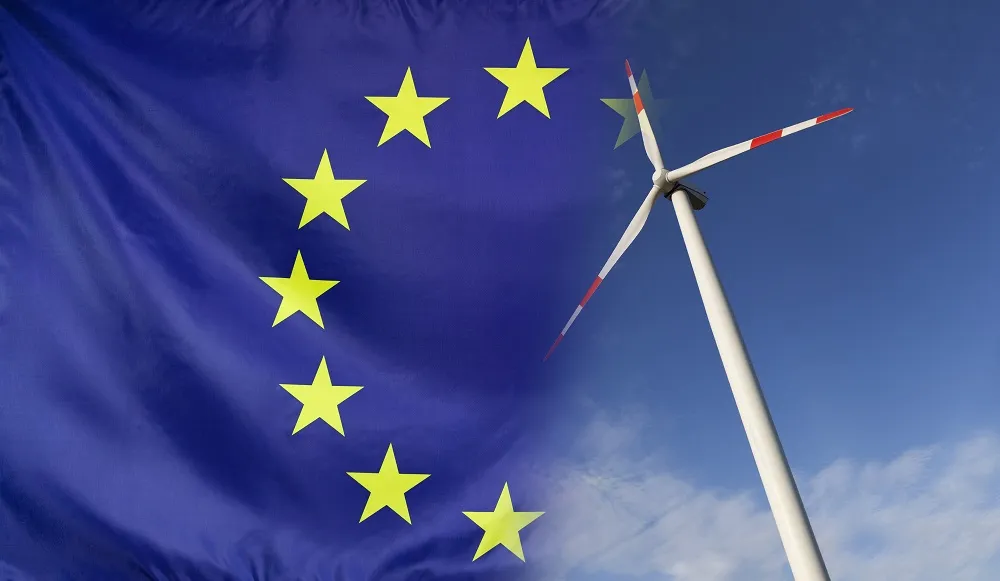
With the entry into force of the ETS2 in 2027, the European Union marks a turning point in European climate policy. For the first time, sectors such as construction, transport, and small industry, which until now remained on the sidelines of major climate policies, will become part of the emissions trading system.
At first glance, it may seem like just another regulatory burden; however, when analyzed from a strategic perspective, the ETS2 represents a unique opportunity to drive efficiency, innovation, and competitiveness.
From compliance to leadership
While some organizations view this new regulatory framework as a burden, others already interpret it as a lever to get ahead.
In this new context, being the first to reduce consumption, electrify thermal processes, or digitalize facilities can be the turning point between joining progress or falling behind. The key lies in understanding that carbon has become a unit of economic measurement.
Indeed, the true opportunity presented by the ETS2 lies not in the regulatory change but in the shift in mindset it drives. Historically, energy consumption has focused on meeting needs without questioning its impact. Now, the current context demands rethinking every strategic decision: is this consumption necessary? Can it be optimized? Can I recover residual energy?
These types of questions trigger a transformation that goes beyond energy savings, as they represent a leap toward a more strategic, digitalized management model with greater control over operating costs.
Economic impact as a lever
According to European Commission estimates, the price per ton of CO₂ under the ETS2 could reach €45/tCO₂ in the first year, settling between €120 and €150/tCO₂ by 2030, in line with the ETS1 market. This translates into very concrete impacts for companies intensive in thermal consumption.
Road transport will also see its operating costs increase. A liter of diesel emits around 2.6 kg of CO₂, which translates into a price increase of between 30 and 40 cents per liter if the most conservative forecasts for 2030 are met. This will directly affect logistics fleets, urban services, and carriers, forcing an acceleration of electrification and route optimization.
In hotels, hospitals, or public buildings, the impact will depend on the heating and cooling system used. In all cases, energy inefficiency will now carry a direct price that will impact operating costs.
The ETS2 forces action, but it also creates a more level playing field where efforts translate into tangible advantages. With no free allowances, every energy efficiency action will have real value.
Organizations that can read this new framework as an opportunity will be better positioned to access aid, attract talent, improve their corporate reputation, and, above all, be more profitable in the new environment.
At Edison Next, we believe the coming years will be decisive. That is why we offer not only technical solutions but also a comprehensive vision to accompany companies in their transformation. All with the aim of building a new way of operating: cleaner, more efficient, and, above all, better prepared for the future.
Contact Us
Edison
Next
Information on the processing of your personal data in accordance with the provisions of the General Regulation (EU) 2016/679, on data protection (RGPD) and the L.O. 3/2018, on data protection and guarantee of digital rights (LOPDGDD).
Company Name: EDISON NEXT SPAIN, S.L.U.
Purpose: To respond to your queries and requests.
Legitimacy: Consent expressed by the sender when sending the data via the form provided for this sole purpose.
Rights: You may at any time exercise your right to access, rectification, deletion and portability of the personal data processed by Edison Next, as well as to oppose and limit such processing, by sending a signed request with proof of identity to privacidad@edison.es
Additional information: You can read more detailed information and other additional information in our privacy policy: www.edisonnext.es
